
Authors note: We often take spoken language for granted, but how did humans communicate before words existed? This question sparked from a recent debate about career success and communication accessibility, leading to a fascinating exploration of pre-verbal communication methods throughout history. From ancient cave paintings to universal facial expressions, understanding how our ancestors connected reveals the enduring power of non-verbal cues (Shahd 2026).
Communicating Through Pictures: From Cave Walls to *Cuneiform*
Imagine stepping back 30,000 years and encountering the awe-inspiring cave paintings of Lascaux in France. The Lascaux Cave in southwestern France contains over 600 extraordinary Upper Paleolithic wall paintings. Created roughly 17,000 to 22,000 years ago. These aren’t just beautiful works of art; they are whispers from the past, offering a glimpse into how our ancestors communicated before words existed.
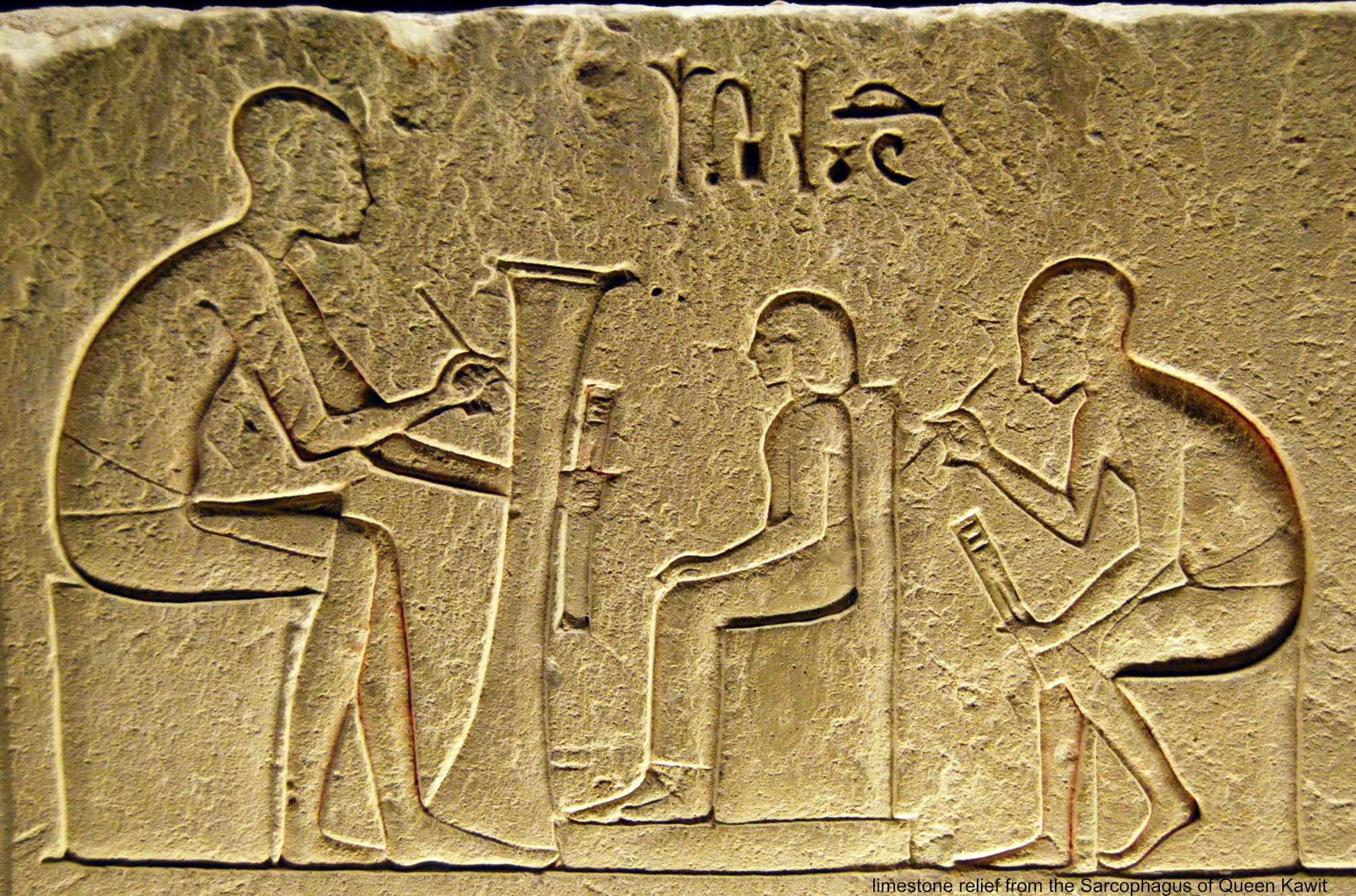
These ancient masterpieces weren’t merely artistic expressions; they were a primitive yet effective form of communication between early humans. Later civilizations like the Ancient Egyptians and Greeks refined this concept by combining pictures with words, leaving behind captivating examples in museums worldwide. These visual systems represent some of the earliest attempts to record and share information across time.
Pre-Verbal Communication: Beyond Pictures & Symbols
But what about before cave paintings? How did our ancestors convey needs and ideas without any written or pictorial language? It’s likely they relied on a combination of facial expressions, gestures, and vocalizations such as grunts, sighs, and other sounds to communicate basic messages. Did a furrowed brow signal worry, or a wide smile indicate excitement? These nonverbal cues highlight the innate human ability to understand emotions and intentions through observation.
Universal Expressions: The Language of Emotion
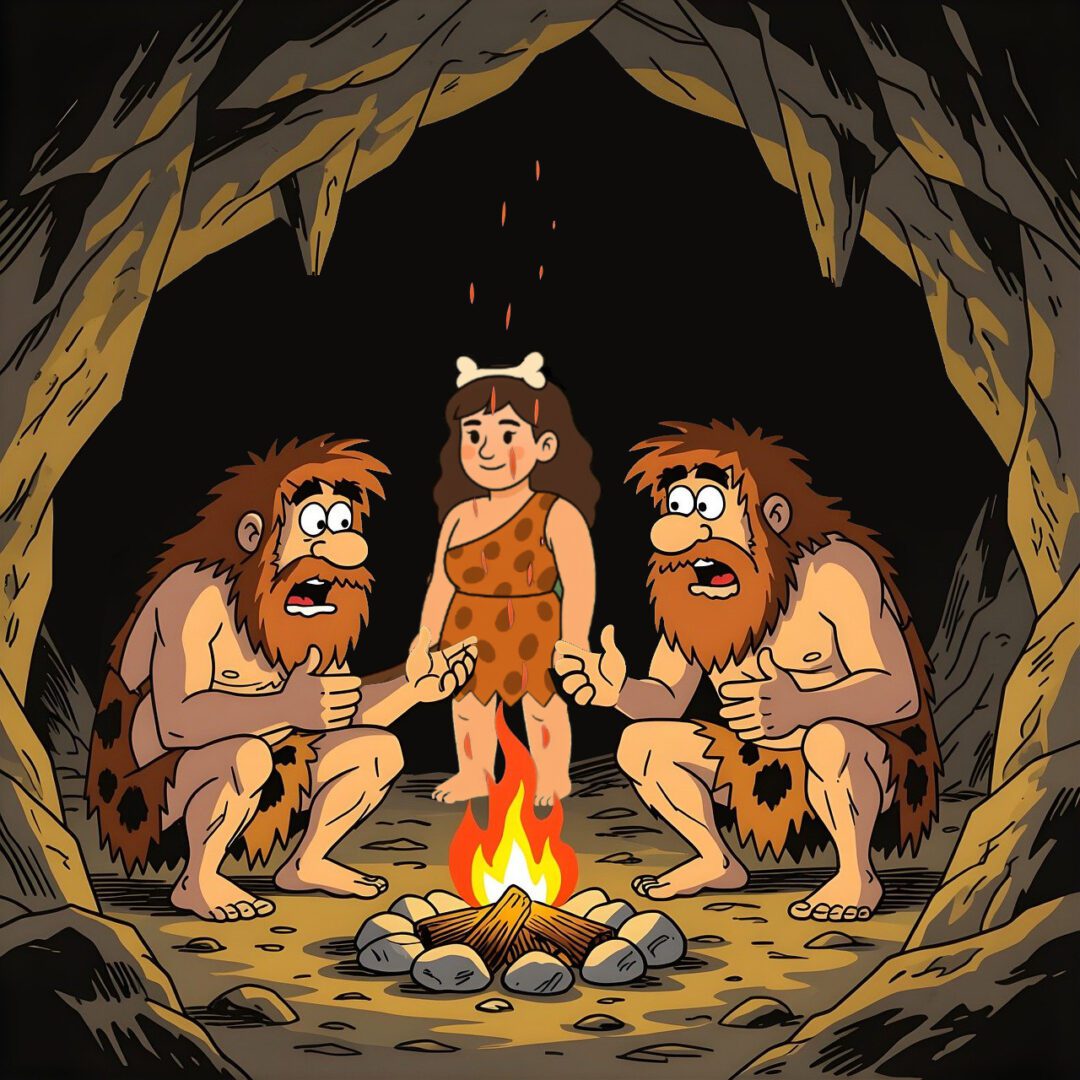
Even today, we can recognize fundamental human emotions like pain, anger, joy, or sadness without a single word being spoken. These universal expressions transcend language barriers, demonstrating that certain emotional signals are deeply ingrained in our biology. Consider how easily we interpret these cues in others it’s a testament to the power of non-verbal communication.
Early Human Interactions: Gestures & Vocalizations
Imagine “Mr. Caveman” communicating his hunting success to “Ms. Cavewoman” through triumphant gestures and celebratory vocalizations, long before complex spoken language developed. This scenario illustrates how early humans likely used physical cues to share information about essential activities like hunting, gathering, and potential dangers.
The Evolution of Language: From Gestures to Speech & Sign
As humans evolved, so did our communication methods. Language in both spoken and signed forms emerged gradually over centuries. It’s fascinating to consider that sign language, even in its rudimentary form, might have predated the widespread use of spoken words. Complex language allowed for sophisticated, abstract thinking, yet it still relied on earlier forms of communication.
Connecting Beyond Words: Empathy & Understanding
Ultimately, the ability to connect with others transcends the need for any specific language. We share a common human experience, and through empathy and careful observation, we can bridge communication gaps. Learning to understand each other without relying solely on words, words enrich our lives and strengthens our connections as human beings. Effective communication isn’t just about what is said; it’s about how it’s received and understood.
Adapted from images by Vicki Hamilton and Ray_Shrewsberry from Pixabay: Featured & post Image by Gianni Crestani from Pixabay