
While we need to sleep to dream getting a good night’s sleep is essential, and it’s not always easy. In fact, approximately 30% of the population struggles with sleep problems also known as insomnia.
Sleep: The Mysteries Unraveled
Sleep is typically categorized into five stages. Stages 1 through 4 are collectively known as non-REM sleep, progressing from light sleep to deep sleep. Stage 5 is REM (rapid eye movement) sleep, the stage most associated with vivid dreaming.
How Sleep Changes With Age
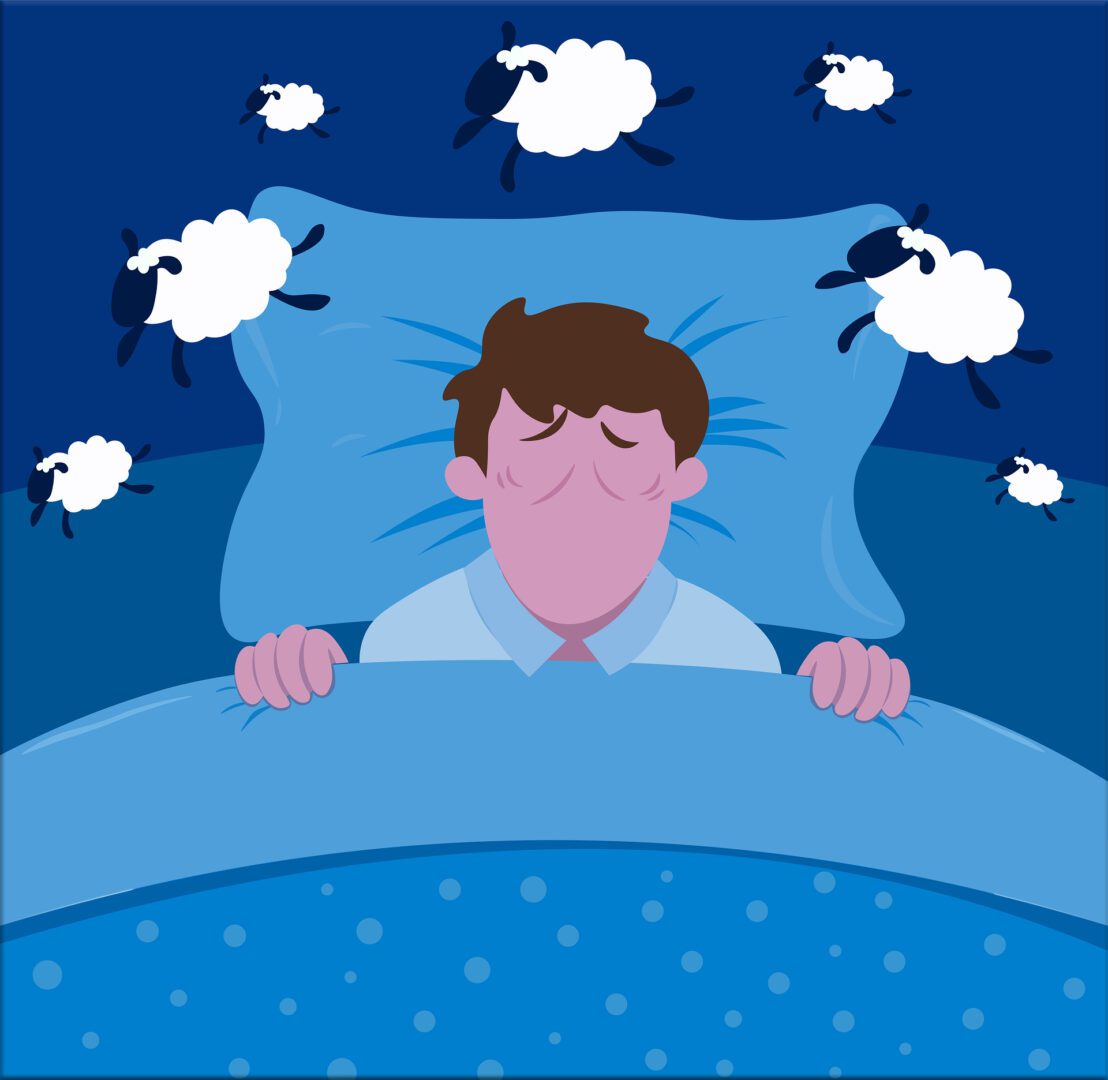
As we age, our sleep patterns often change. Older adults generally require less sleep than younger individuals, with a tendency for shorter overall sleep duration. While 7-8 hours of sleep per night is often recommended for adults, individual needs vary considerably, ranging from 4 to 10 hours or even more. Understanding your personal sleep requirements is key to optimal health.
Factors That Can Disrupt Sleep
Several factors can contribute to poor sleep quality. High levels of stress and anxiety frequently make it difficult to fall asleep. Medications, whether for ongoing health conditions, age-related issues, or pregnancy, can also disrupt sleep, often due to increased nighttime urination. Other common culprits include chronic pain, restless legs syndrome, sleep apnea, bladder/prostate problems, and more.
Research suggests a link between certain medications and dream disturbances. Studies have shown that patients taking Tricyclic or Neuroleptic drugs in a single dose before bed were more likely to experience frightening dreams. However, this effect wasn’t observed with spaced-out dosages throughout the day. Furthermore, individuals suffering from depression often report dreaming less frequently, and their dreams tend to be more negative than positive.
Resources for Better Sleep
Fortunately, help is available! The National Health Service (NHS Scotland) offers a helpful self-help guide for sleep issues (NHS Scotland guide). The broader NHS UK website also provides valuable advice on addressing common sleep problems (NHS UK sleep advice). For additional expert tips on improving your sleep, including relaxation techniques and establishing a consistent bedtime routine, visit the (British Heart Foundation’s resources).
Why Prioritize Sleep?
Regardless of age or lifestyle, adequate sleep is essential for overall well-being. While some individuals may consider sleeping pills as a solution, it’s important to use them cautiously due to their limited long-term effectiveness and potential for dependence. If prescribed medication is necessary, doctors often rotate medications to prevent tolerance. Remember, without sufficient sleep, you miss out on the restorative power of rest, and *”Perchance you lose The Chance To Dream.”
Feature image by Susannp4 from pixabay
Note :
I have used both self-help guides myself. Thankfully I found enough advice to help me over my sleeping problems after my wife died last year.
If your sleeping problems are causing ill health you need to speak with your doctor for advice. (“you know it makes sense”.) Updated July 2025 (Shahd).
*Taken from directly referencing part of the famous line from Shakespeare’s Hamlet “To sleep, perchance to dream”.